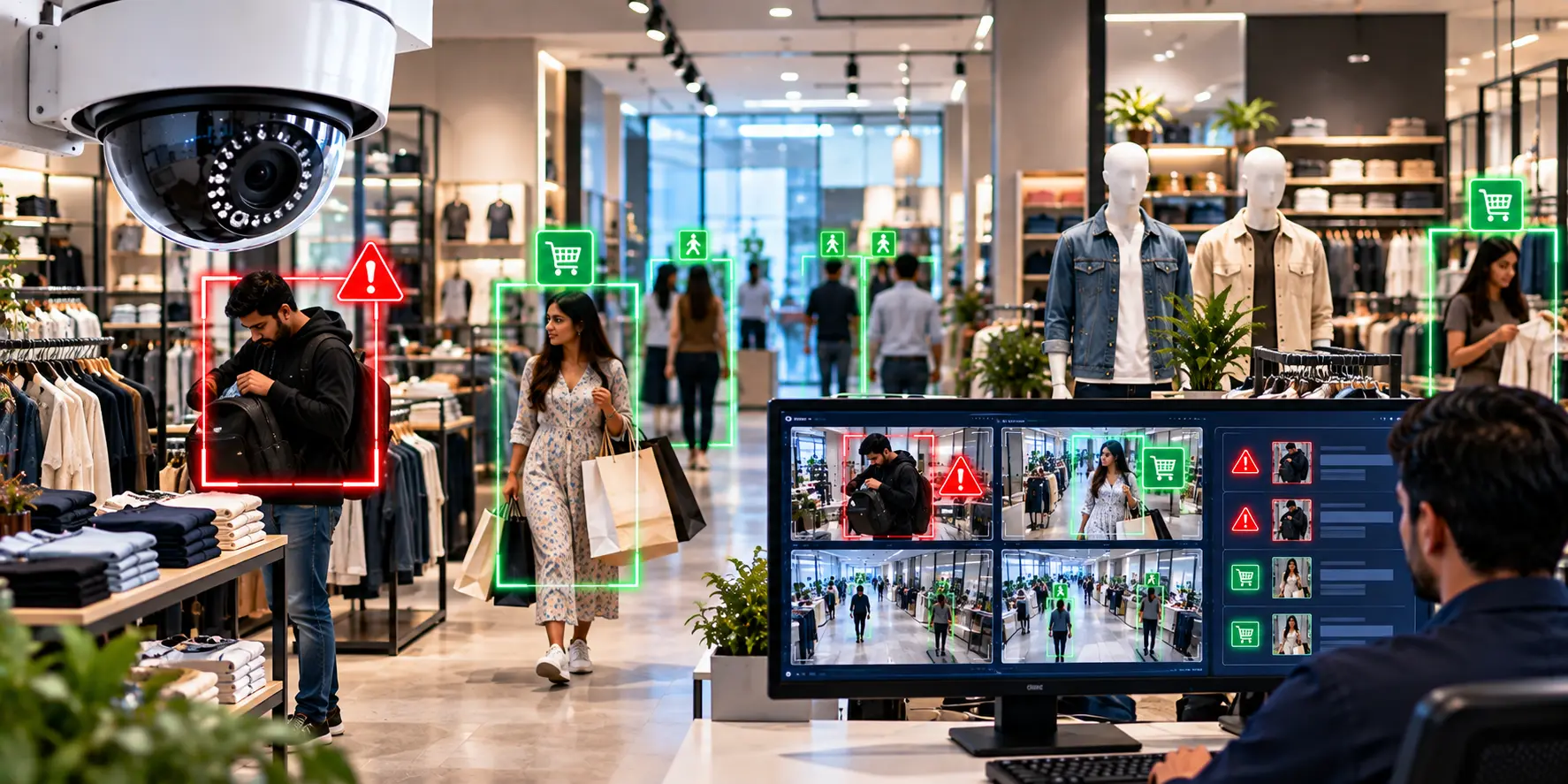
 AI Generated
Restaurant Video Analytics: Why "Just Recording" Isn't Security Anymore
Every restaurant already has cameras. Almost none of them are actually being watched. A manager reviewing footage after a customer complaint, a health inspector citing a hygiene lapse the owner never saw, a cash-register discrepancy
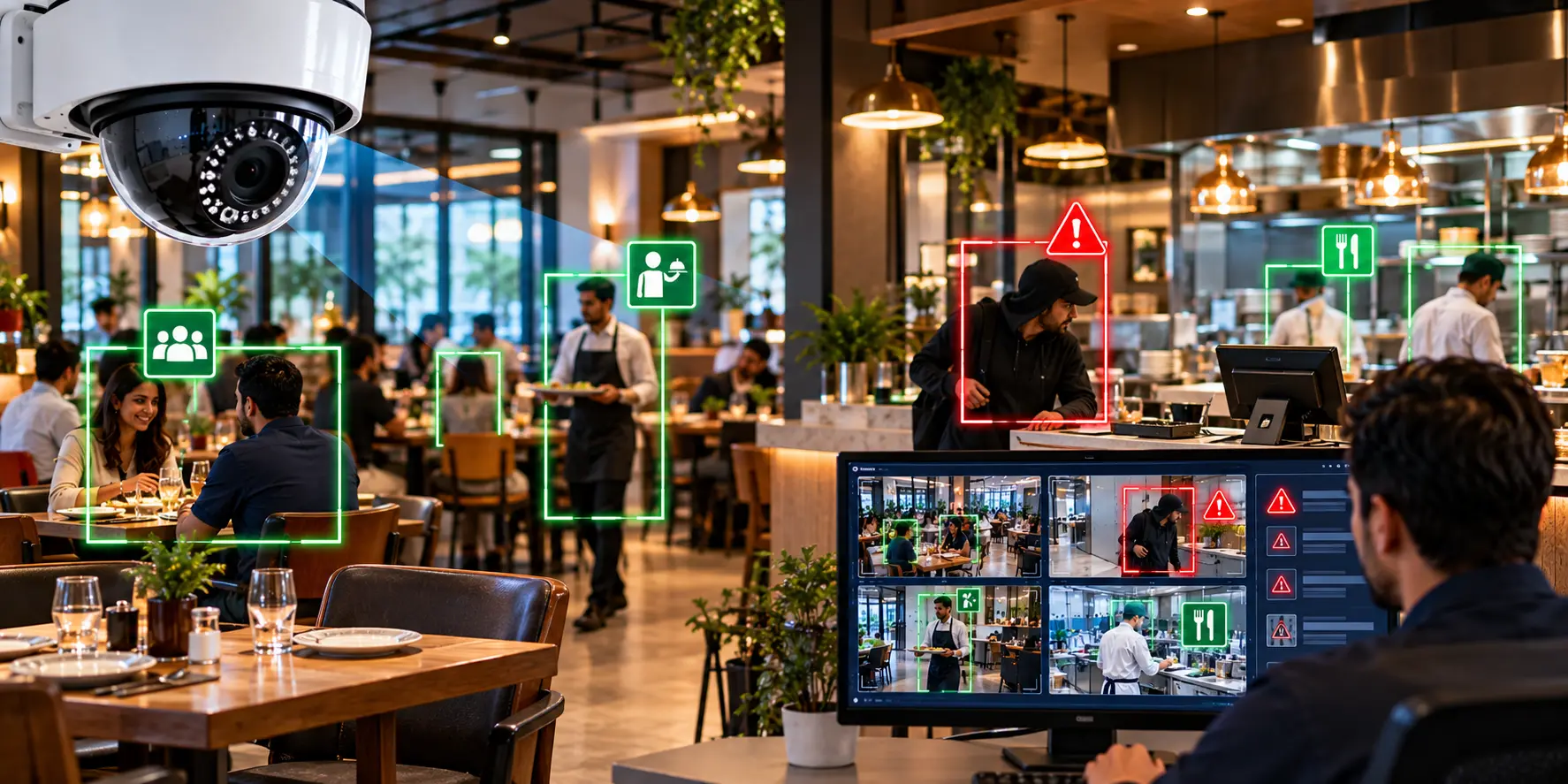 AI Generated
Restaurant Security System Cost vs. Value: What Advanced Video Analytics Actually Protects
Every restaurant owner eventually asks the same question when a camera vendor calls: is this actually worth the money? For an industry running on thin margins, restaurant security system cost can look like an unnecessary line item
 AI Generated
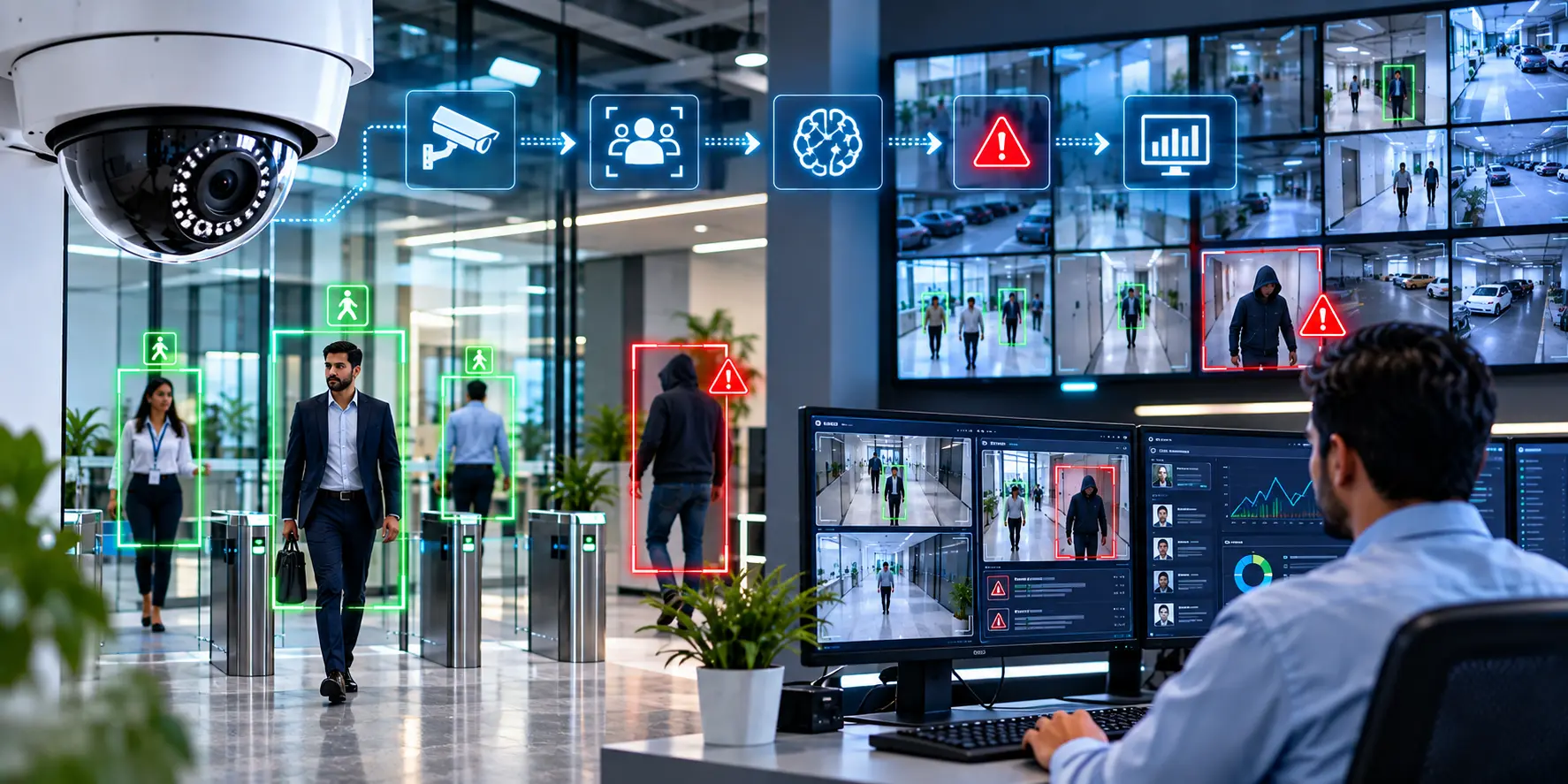
From Passive Recording to Active Intelligence: What AI-Powered CCTV Solutions Actually Change
For decades, CCTV has meant one thing: a camera pointed at something, quietly recording, waiting for someone to either watch it live or dig through it after the fact. That model has never actually prevented anything—it only documents what already happened.
 AI Generated
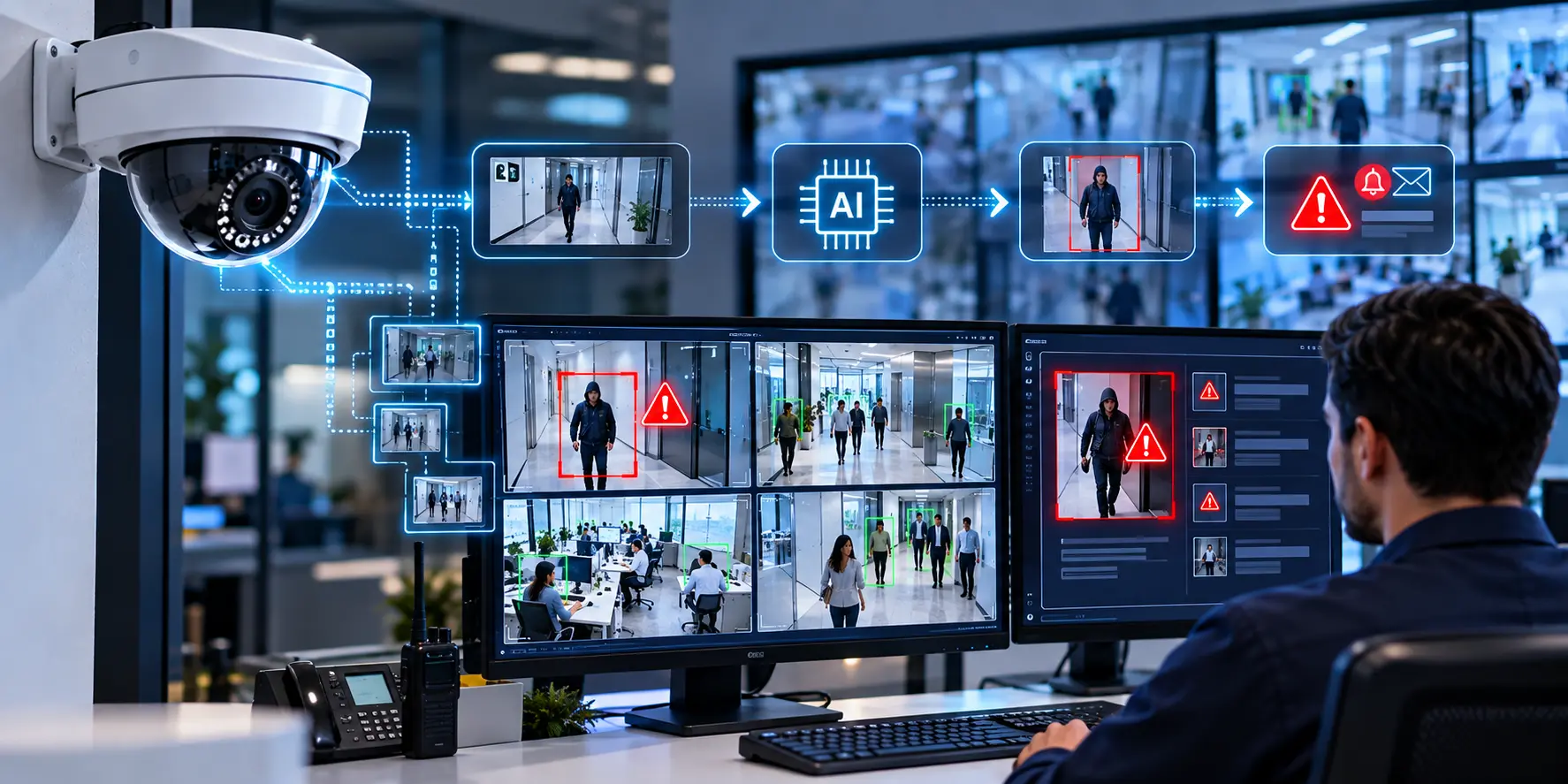
From Observe to Alert: How AI Surveillance Actually Works Behind the Scenes
Ask most business owners how their CCTV works, and the honest answer is: it records, and someone checks it if something goes wrong. That's not really a security process—it's a storage process.
 AI Generated
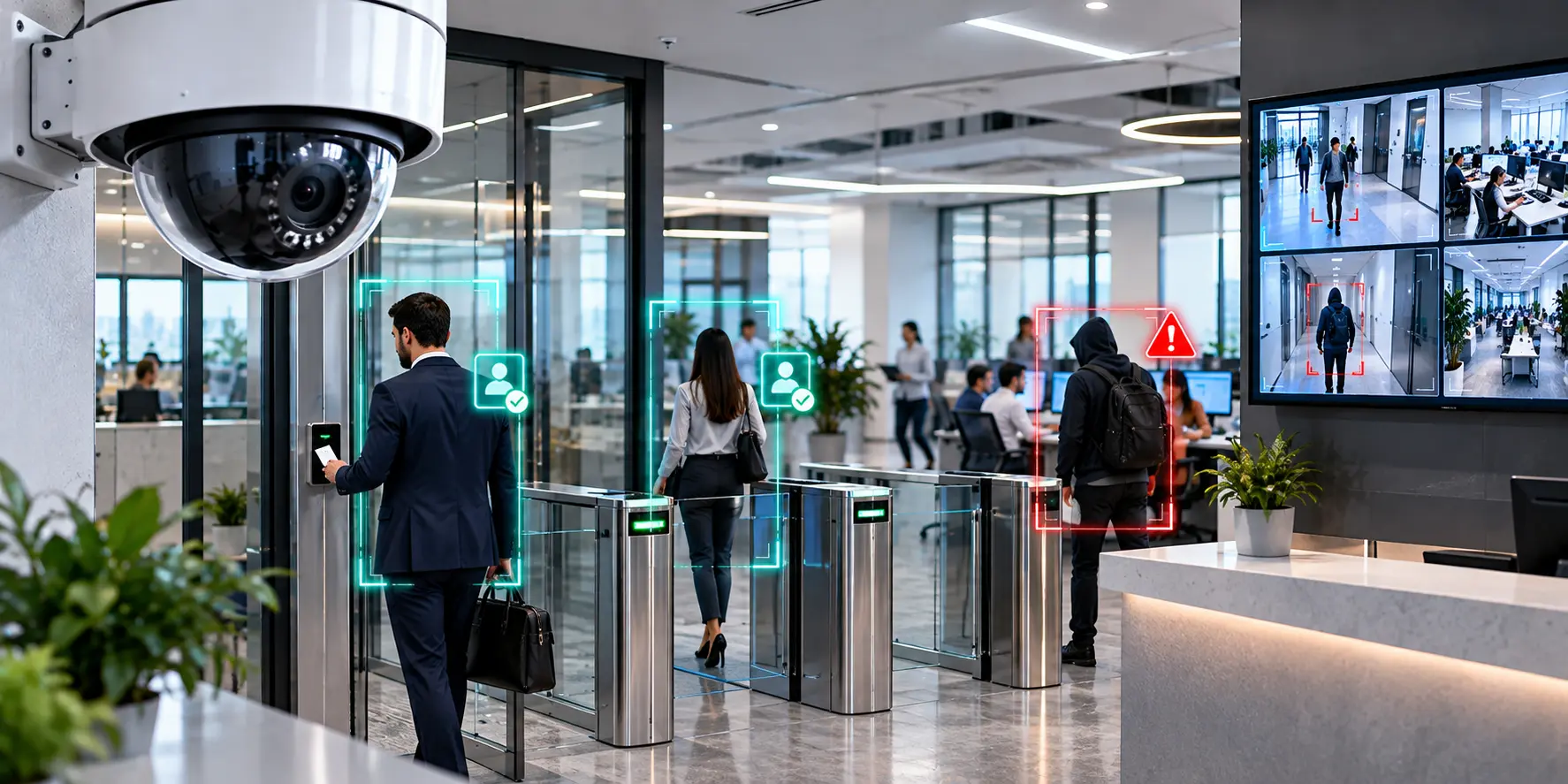
Beyond Access Cards: How Office Video Analytics Closes the Gaps in Workplace Security
Most offices already have layered security in place — access cards at the entrance, a CCTV network covering common areas, maybe a receptionist logging visitors. On paper, that looks comprehensive. In practice, it leaves significant gaps:
 AI Generated
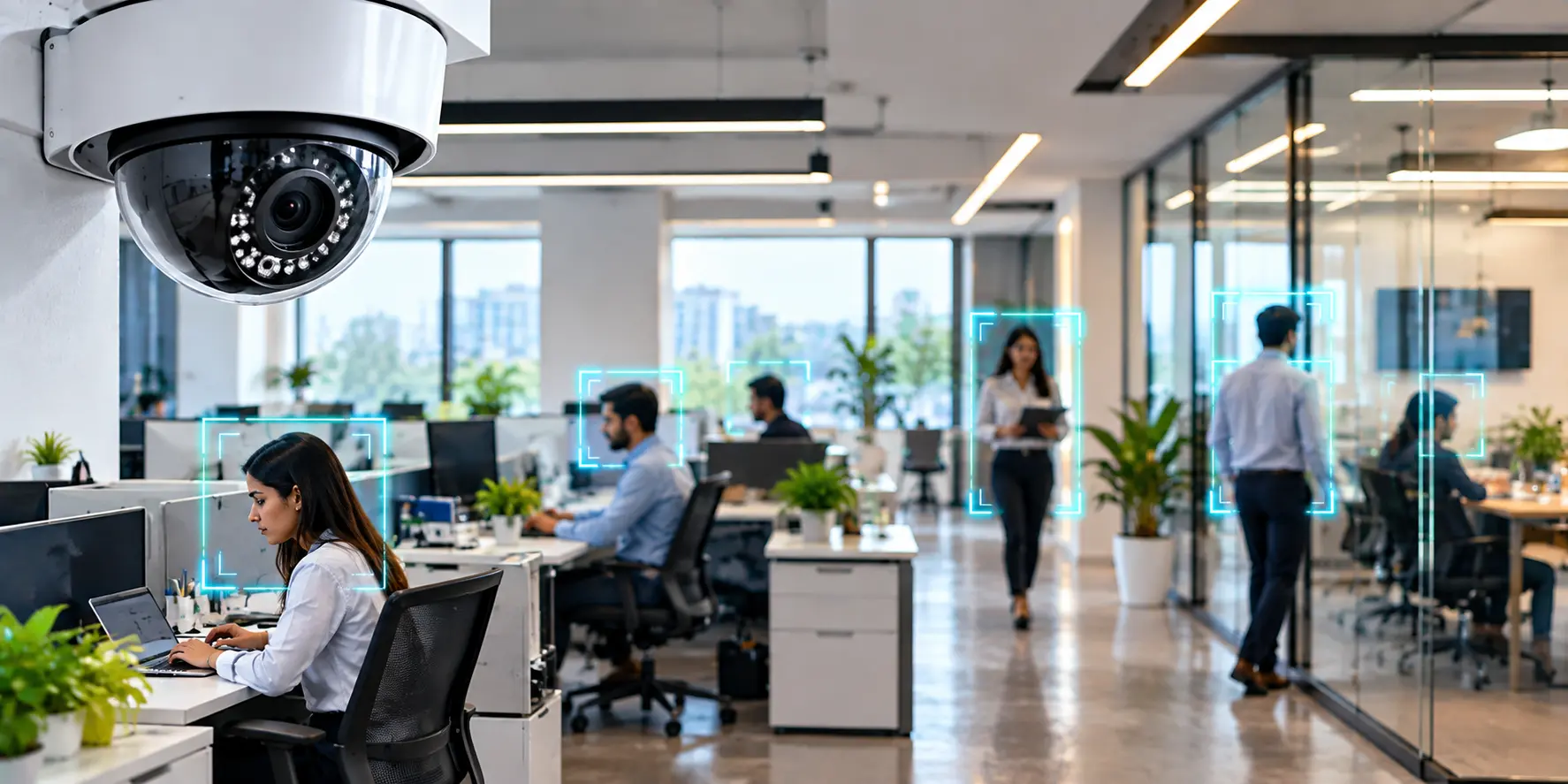
AI Surveillance for Small Offices: Ensure Workplace Safety and Protect Valuable Assets
Modern offices are no longer just desks and cabins — they're hubs of sensitive data, expensive equipment, and confidential documents. Yet most workplaces still rely on outdated CCTV systems that only record footage after an incident has already happened.
 AI Generated
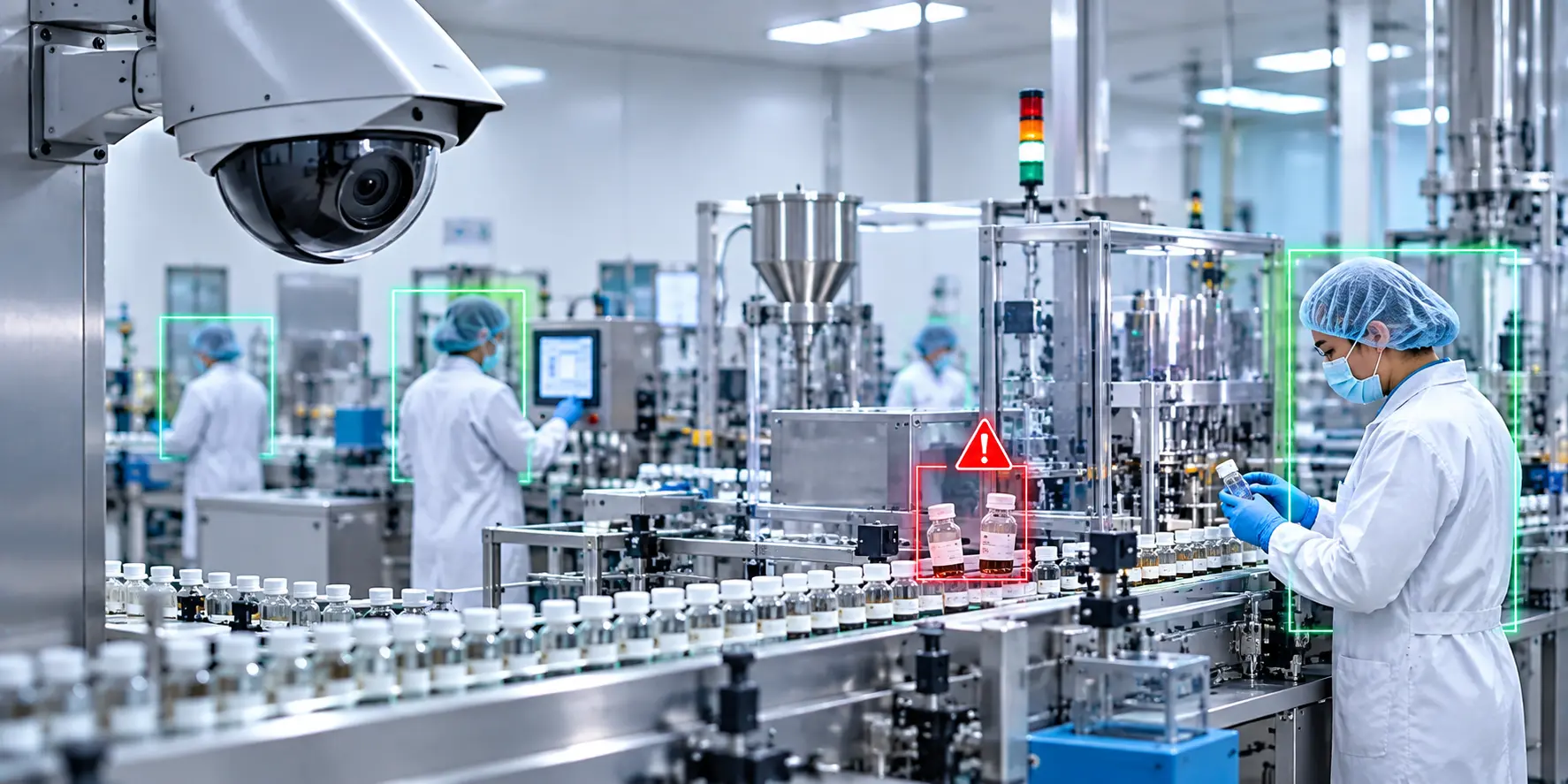
AI Surveillance for Manufacturing: A Smart Factory Approach to Protecting Employees, Monitoring Production, and Preventing Threats
Pharmaceutical manufacturing operates under some of the strictest regulatory and quality standards of any industry. A single contamination lapse, an unrecorded SOP deviation, or a security breach in a restricted zone can compromise product safety
 AI Generated
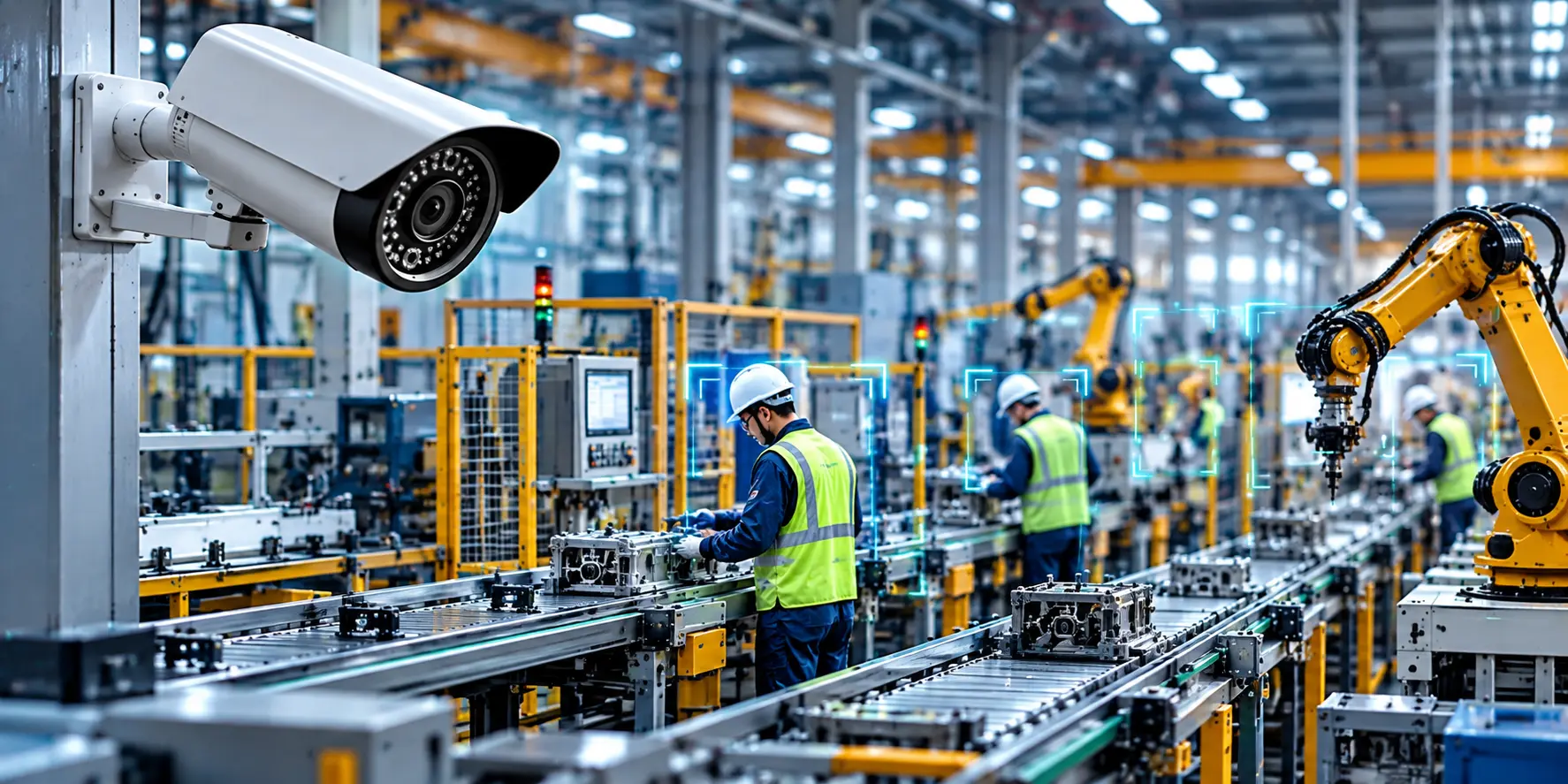
AI Surveillance for Manufacturing: A Smart Factory Approach to Protecting Employees, Monitoring Production, and Preventing Threats
Walk into almost any retail store, restaurant chain, or shopping mall today and you'll spot cameras mounted in every corner. Yet ask the store manager how much shrinkage they lost last
Your cameras already see everything. Patrol makes them understand everything.
Transform surveillance footage into actionable intelligence. Receive real-time alerts, ensure SOP compliance, and protect people, assets, and reputation.